
Guest article by webyurt.com.
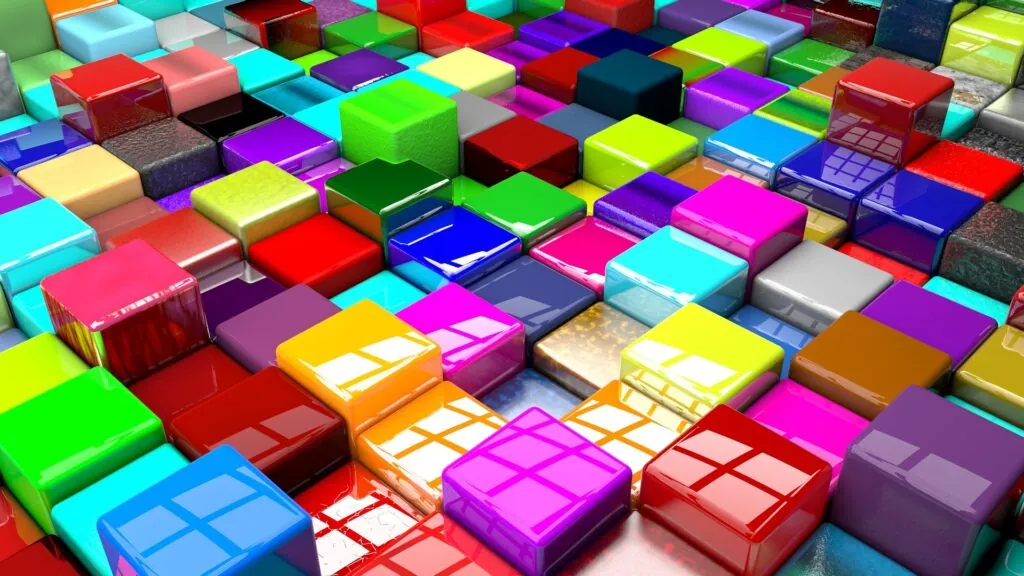
Photo by Pixabay
Freelancing often gets framed as a productivity race; more projects, faster delivery, tighter deadlines.
But in reality, some of the best work happens when you step away from constant output and give your brain space to reset.
Creative professionals in particular, designers, marketers, writers, and content creators, rely heavily on mental freshness. When creativity drops, output quality usually drops with it.
That’s why more freelancers are now using simple creative tools and low-pressure visual exercises to stay inspired, reduce burnout, and improve idea generation.
Why Creativity Needs Rest, Not Just Effort
Unlike repetitive tasks, creative work isn’t something you can force indefinitely.
When freelancers work non-stop:
- ideas become repetitive,
- visual thinking slows down,
- decision fatigue increases,
- and inspiration starts to feel forced.
Short creative breaks help reset that cycle.
Even 5–10 minutes of playful visual activity can shift thinking patterns and improve focus when returning to client work.
This is where simple color-based and interactive tools can play a surprisingly useful role.
Using Color as a Creative Reset
Color plays a huge role in design work, branding, and visual communication.
But it can also be used as a mental reset tool, something that shifts your brain away from pressure-based thinking into exploration mode.
A simple way freelancers use this technique is by experimenting with color combinations without any client constraints.
Tools like a Color Palette Generator allow freelancers to quickly explore different color combinations, experiment with tones, and generate visual ideas in seconds.
This isn’t just useful for design projects, it also helps:
- spark new branding ideas,
- improve visual intuition,
- and break creative blocks.
Sometimes, the act of simply playing with color is enough to restart inspiration.
Low-Pressure Creativity for Mental Recovery
Not all creative work needs to be “productive” in the traditional sense. In fact, some of the most effective creative exercises are intentionally low-stakes:
- coloring patterns,
- experimenting with visuals,
- exploring design layouts,
- or simply interacting with calming visual tools.
These activities give the brain a break from client demands while still keeping it creatively engaged.
Tools like an Online Coloring Tool offer a free and simple way to unwind while still engaging visually.
Freelancers often use this type of activity to:
- reduce stress between projects,
- avoid creative burnout,
- reset focus after long screen sessions,
- and transition between different types of work.
It may seem simple, but these small breaks can significantly improve long-term productivity.
Why This Matters for Freelancers
Freelancers don’t just manage projects; they manage their own energy. Without structured breaks or creative outlets, it’s easy to fall into cycles of overwork followed by burnout.
Building small creative habits into the day helps maintain consistency in performance.
Instead of waiting for inspiration to return naturally, freelancers can actively support it through light, enjoyable visual interaction.
This leads to:
- better creative output,
- fewer mental blocks,
- improved client satisfaction,
- and a healthier workflow overall.
Creativity Is Part of the Job – Not Separate from It
One of the biggest misconceptions in freelancing is that breaks are separate from productivity. In reality, they are part of the process.
Stepping away from structured work and engaging in simple creative exploration helps freelancers return with clearer ideas and stronger execution.
Whether it’s experimenting with color palettes or relaxing with interactive visual tools, these small moments of creativity often have a direct impact on professional output.
Because sometimes, the best way to improve your work… is to stop working on it for a few minutes.